
 English
 Español
 Portugues
 Pусский

الشاحن التربيني
A turbocharger is a mechanical device used to increase the efficiency and power output of an internal combustion engine by forcing more air into the combustion chamber. It works by using the energy of exhaust gases, which would otherwise be wasted, to drive a turbine. This turbine is connected by a shaft to a compressor on the intake side. As the turbine spins, it drives the compressor, which draws in and compresses more air before sending it into the engine. Because the compressed air contains more oxygen, the engine can burn more fuel and produce more power from the same displacement.One of the main advantages of a turbocharger is improved engine performance without a significant increase in engine size or weight. This makes it especially useful in vehicles where both power and fuel efficiency are important. By allowing smaller engines to produce power comparable to larger engines, turbocharging helps reduce fuel consumption and can lower emissions under many operating conditions. It is widely used in passenger cars, trucks, buses, construction equipment, marine engines, and industrial machinery.A turbocharger usually consists of three main sections: the turbine housing, the compressor housing, and the center housing assembly. The turbine side is exposed to hot exhaust gas, while the compressor side handles clean intake air. The center housing contains the shaft and bearings that support high-speed rotation. Since turbochargers can operate at extremely high rotational speeds and temperatures, they require careful design, durable materials, and effective lubrication. Engine oil is often used to cool and protect the rotating components.Modern turbochargers may also include features such as variable geometry, wastegates, and intercoolers. A wastegate controls boost pressure by redirecting excess exhaust gas away from the turbine when needed. Variable geometry designs adjust the flow path of exhaust gas to improve responsiveness and efficiency across a wider range of engine speeds. An intercooler reduces the temperature of compressed air before it enters the engine, increasing air density and helping prevent engine knocking.Despite their benefits, turbochargers can introduce some challenges. Turbo lag, or the delay between pressing the accelerator and feeling increased power, can occur because the turbine needs time to build speed. However, advancements in design have greatly reduced this issue. Turbocharged engines also experience higher thermal and mechanical stress, so proper maintenance and high-quality lubrication are essential.In summary, a turbocharger is an important technology that enhances engine power, efficiency, and overall performance by recycling exhaust energy. Its ability to deliver more output from a smaller engine has made it a key component in modern transportation and industrial applications.
نتاج
تصنيف:
-
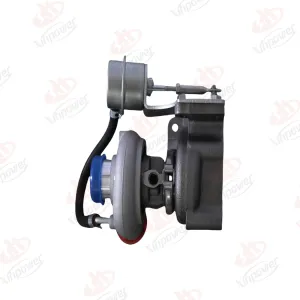
شاحن توربيني ديزل
تصنيفها: أجزاء محرك الديزلالمشاهدات: 735عدد:وقت الإصدار: 2026-10-23 00:37:14شاحن توربيني ديزل✪مقدمة عن المنتجالشاحن التوربيني الديزل هو جهاز يستخدم غاز العادم الذي يفرغه المحرك لدفع التوربين للدوران، وبالتالي دفع الضاغط لضغط المزيد من الهواء في أسطوانة المحرك. يمكن أن يؤدي ذلك إلى زيادة حجم السحب وتحسين خرج طاقة المحرك وكفاءة الاحتراق. يعمل الشاحن التوربيني على تحسين أداء المحرك بشكل فعال عن طريق تحويل طاقة غاز العادم إلى طاقة، مع تمكين المحرك من تحقيق إنتاج طاقة أكبر بإزاحة أصغر.يتكون الهيكل الأساسي للشاحن التوربيني عادة من الأجزاء التالية:جزء التوربين: يُدار بواسطة غاز العادم ويتصل بالضاغط من خلال عمود. يمر غاز العادم عبر جزء التوربين لدفع التوربين للدوران.جزء الضاغ...
أخبار
تصنيف:
لا توجد نتائج بحث!
حالة
تصنيف:
لا توجد نتائج بحث!
فيديو
تصنيف:
لا توجد نتائج بحث!
تحميل
تصنيف:
لا توجد نتائج بحث!
تجنيد
تصنيف:
لا توجد نتائج بحث!
المنتجات الموصى بها
لا توجد نتائج بحث!



 هاتف
هاتف